
The Jaguar Advert That Wasn’t
The Jaguar Advert That Wasn't
When your advertising campaign reminds people of somebody else's car, something has gone a little wrong.
I've been seeing an advert for a car featuring a rather magnificent large spotted cat. Naturally, I assumed it was a Jaguar advert. After all, Jaguar has spent decades associating its cars with precisely that sort of animal.
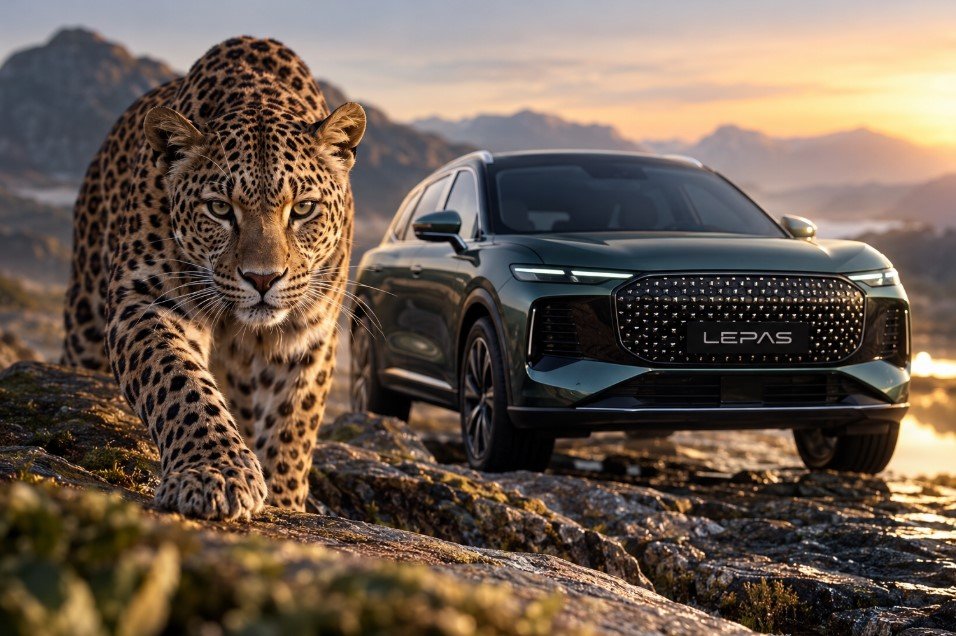
Except it wasn't Jaguar. It was LEPAS, a new Chinese car brand. Not that I realised this immediately. I must have seen the advert four times before I even registered what car was being advertised. Until then, I'd simply filed it away in my mind as another Jaguar commercial.
Which raises a fairly fundamental question about advertising. If you spend a considerable amount of money producing an advert, and the viewer comes away remembering your competitor rather than your own product, what exactly have you achieved?
LEPAS is part of the Chinese Chery automotive group, and apparently the leopard is central to its brand identity. Fair enough. Nobody owns the exclusive right to put a large cat in a car advert, although Jaguar has had rather a substantial head start. And yes, I know a leopard isn't a jaguar. But that's rather the point. My brain recognised the association long before it bothered identifying the animal, let alone the car.
There's also something wonderfully ironic about the timing. Jaguar, having spent generations establishing one of the most recognisable associations in motoring, has recently embarked on a spectacular exercise in brand reinvention. Its traditional feline imagery hasn't disappeared altogether, but it has certainly taken a back seat to a new identity that seems determined to be anything but traditional.
Meanwhile, along comes LEPAS, enthusiastically embracing precisely the sort of imagery Jaguar has spent so long making its own. And what happens? I see the leopard and think Jaguar.
Now, perhaps the LEPAS marketing department would argue that this is all part of a clever strategy. Borrow a familiar association to attract attention, then gradually establish a new identity through repeated exposure. There's nothing inherently wrong with that. The trouble comes when the association you're borrowing is considerably more memorable than the brand you're trying to establish.
It reminds me of those television adverts so consumed with atmospheric music, beautiful scenery and clever visual effects that, by the end, you've absolutely no idea whether they're selling perfume, insurance or a new kitchen. The advertising agency has produced a small cinematic masterpiece, everybody congratulates themselves, and somebody probably wins an award. Meanwhile, the customer remembers something entirely different.
There's an old distinction between making an advert people remember and making an advert that causes people to remember the product. The two are not necessarily the same thing. And when your entire campaign depends on imagery that viewers already associate with a much better-known competitor, you might reasonably ask whether you've thought the whole thing through.
Somewhere, an advertising agency is probably congratulating itself on a memorable campaign. And perhaps it is. After four viewings, I finally know the car is a LEPAS.
The trouble is, every time the advert comes on, I still see a Jaguar.
Somebody might want to mention that to the marketing department.